



Main Image Via Healthy Women
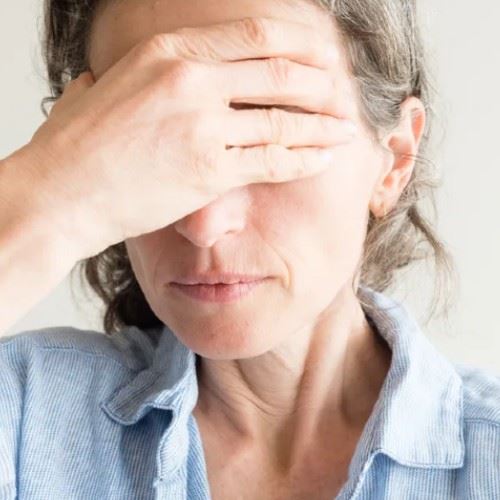
You’ve probably heard of menstruation, but menopause is also a big part of a woman’s life.
Advertisement
Menopause occurs when a woman hasn't menstruated in 12 months and is no longer able to conceive naturally. It usually starts between the ages of 45 and 55, but it can happen at any time before or beyond that.
Here are some FAQs answered:
1. When does it begin and how long does it last?
Symptoms start to show four years before their last period. Some of them experience a decade before or even more. The average age for women to reach menopause is 51, though it could slightly be earlier or later than that.
There are many factors that help determine when you’ll begin menopause, including genetics and ovary health.
2. What are the symptoms?
Not everyone will have the symptoms. But the most common are less frequent menstruation, heavier or lighter periods than you normally experience - vasomotor symptoms, including hot flashes, night sweats, and flushing.
Common complications can include painful intercourse, slower metabolic function, osteoporosis, or weaker bones with reduced mass and strength, mood or sudden emotional changes, cataracts.
3. Why does it occur?
It is a natural process as the body produces lesser reproductive hormones (estrogen, progesterone, testosterone). One of the most notable changes is the loss of active ovarian follicles.
Ovarian follicles are the structures that produce and release eggs from the ovary wall, allowing menstruation and fertility.
4. How is it diagnosed?
You can visit your doctor and order a blood test that will measure the level of certain hormones in the blood, usually FSH and a form of estrogen called estradiol.
Depending on your symptoms and health history, your healthcare provider may also order additional blood tests to help rule out other underlying conditions that may be responsible for your symptoms.
Menopause marks the end of fertility.
Genetics or underlying conditions may also lead to early onset of menopause. If symptoms prolong, it can be managed or reduced using natural remedies and lifestyle adjustments.
Main Info Via Healthline